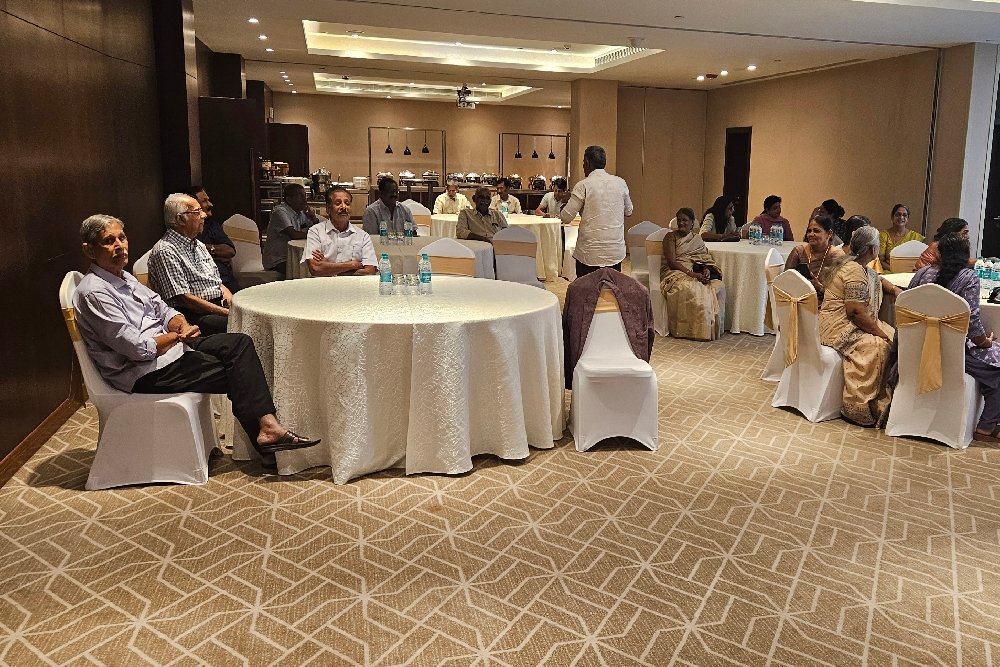
The last guest drives away. The front door clicks shut. Suddenly, the house—bursting only hours ago with laughter, clinking glasses, children running across the floor, and warm embraces—falls completely silent. You look around at the quiet room.
The physical event is over, but as you sink into the sofa, an undeniable wave hits you. It is a strange, bittersweet sensation: a physical heaviness in the chest, a quiet ache, and a sudden fog of exhaustion. We often call this the "post-event crash," the "emotional hangover," or "post-celebration blues." Whether it follows a long-awaited baptism, a wedding, a festival, a holiday gathering, or a milestone family reunion, this emotional drop can feel startlingly intense. You might wonder: Why do I feel so down when yesterday was one of the happiest days of my life?
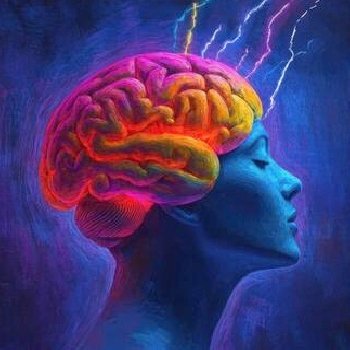
The answer lies in the intricate architecture of your brain, your neurochemistry, and your autonomic nervous system. What you are feeling is not a psychological flaw—it is a sophisticated, biological recalibration. Here is the science behind why the day after a grand event feels so quiet, and why that emotional "pang" happens.
To understand the post-event crash, we first have to look at the neurochemical frenzy that occurs before and during a major celebration. In the weeks leading up to a major event—a baptism, festival, or family reunion—your brain’s reward pathway driven by dopamine is on high alert.
Humans are deeply social creatures. When you gather with family, hold a baby, hug an old friend, or share a group meal, your hypothalamus produces massive amounts of oxytocin, the bonding hormone. Endorphins trigger laughter and happiness. When the event ends and everyone leaves, the sensory and social inputs that triggered these chemicals disappear instantly.
Your brain cannot maintain high neurotransmitter levels indefinitely; it actively strives for balance (homeostasis). To regain balance, your brain dramatically reduces dopamine and oxytocin production.
Psychologists describe this through the Opponent-Process Theory of Emotion: for every strong emotional high, the brain creates a opposing reaction to pull you back to neutral.
That sudden drop in dopamine and oxytocin feels like a literal "crash"—a mild, temporary neurochemical withdrawal. The emotional pang in your chest is simply your neurochemistry returning to baseline.
When you are hosting, socializing, and organizing, your body secretes mild levels of cortisol and adrenaline to keep your energy high and your focus sharp.Once the event ends and the last guest departs, your brain signals that the other"effort" is over. Your Parasympathetic Nervous System engages rapidly to force recovery, stepping firmly on the metabolic brakes.
This swift transition triggers:
A sudden drop in blood pressure and heart rate.
Muscle relaxation, which presents as heaviness or lethargy.
Brain fog, as your body demands cognitive rest.
The fatigue you feel isn't laziness—it is a physiological necessity.During a major event, your hippocampus (the memory encoder) works overtime. It acts as a master recorder, rapidly processing sensory data: the smell of food, the color of a dress, the tone of a grandchild\'s voice, or the flicker of a candle.
Sitting right next to the hippocampus is the amygdala, the brain's emotional processing center. When an event carries deep personal, spiritual, or familial meaning, the amygdala attaches a powerful "emotional tag" to those memories, heightening your sentimentality as you reflect on them the next day.
From an evolutionary standpoint, the post-event crash makes complete sense. For hundreds of thousands of years, human survival depended entirely on the tribe. Tribal gatherings, communal hunts, rituals, and celebrations were essential for group cohesion. Being surrounded by your tribe meant safety, shared resources, and security.
When a gathering ended and individuals returned to smaller family units or isolated tasks, early humans experienced a heightened sense of vulnerability. The brain evolved to treat separation from the larger group with a subtle warning signal—a feeling of loss or unease.
That pang you feel in a deserted house after a big event is an ancient evolutionary echo. It is your ancestral brain saying:
"The tribe was just here, and now they are gone. Stay alert"!


 Dr.C.J.GeorgeFRCS







Comment Form