

 Dr.Chembukkavu George FRCS
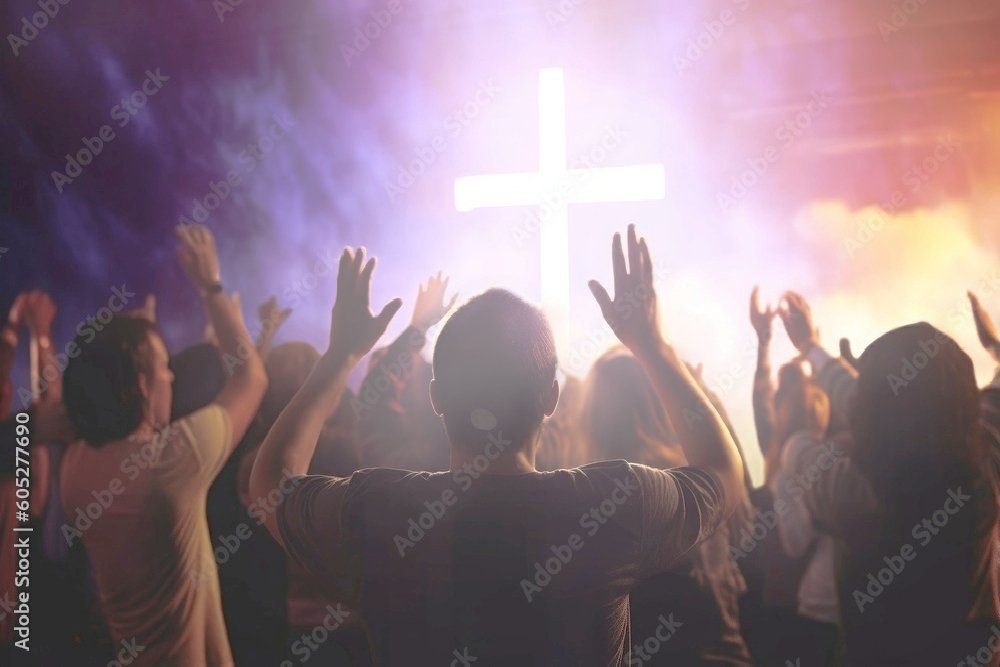
We like to think of ourselves as fully conscious, rational beings. Yet, in my childhood, I witnessed something that challenged that comforting self-image. Our housemaid would head off to a church festival, joining other women in trance-like jumping, chanting prayers, and seemingly losing herself in devotion. Back then, in the late 1950s, the local shamanic “thullal” performances blended with Christian festivals, a curious mix designed to showcase the divine power of certain saints.
Across religions, rituals often drive worshippers into trance—a state of altered consciousness where awareness dims and behavior becomes less deliberate. Essentially, it’s like a guided daydream, only with more shouting and less caffeine. In trance, people are semi-conscious: they might ignore the outside world entirely or follow instructions like obedient puppets. Often, they don’t even remember the experience afterward.
In fact, we all know mild versions of this: getting lost in music, swaying to rhythm, praying deeply, or meditating. Trance tends to start in similar ways across cultures—drums, clapping, chanting, repeated over and over. The repetition “entrains” the brain, synchronizing its activity with external rhythms. Gradually, thinking slows, self-awareness fades, and movement becomes automatic.
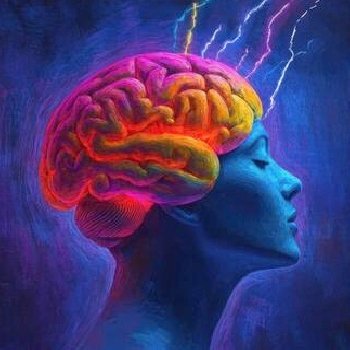
As this happens, the brain shifts its internal balance. The prefrontal cortex, our judgment and self-control center, takes a backseat. Meanwhile, emotional and sensory systems grab the wheel. In simple terms: you stop analyzing your feelings. You’ve seen this happen outside of rituals too. During intense anger, reason retreats, emotion dominates, and consequences vanish. You scream first and ask “Why did I do that?” later. Trance is similar—but far more orderly. It’s anger with choreography: guided by rhythm, religious commands, and cultural norms.
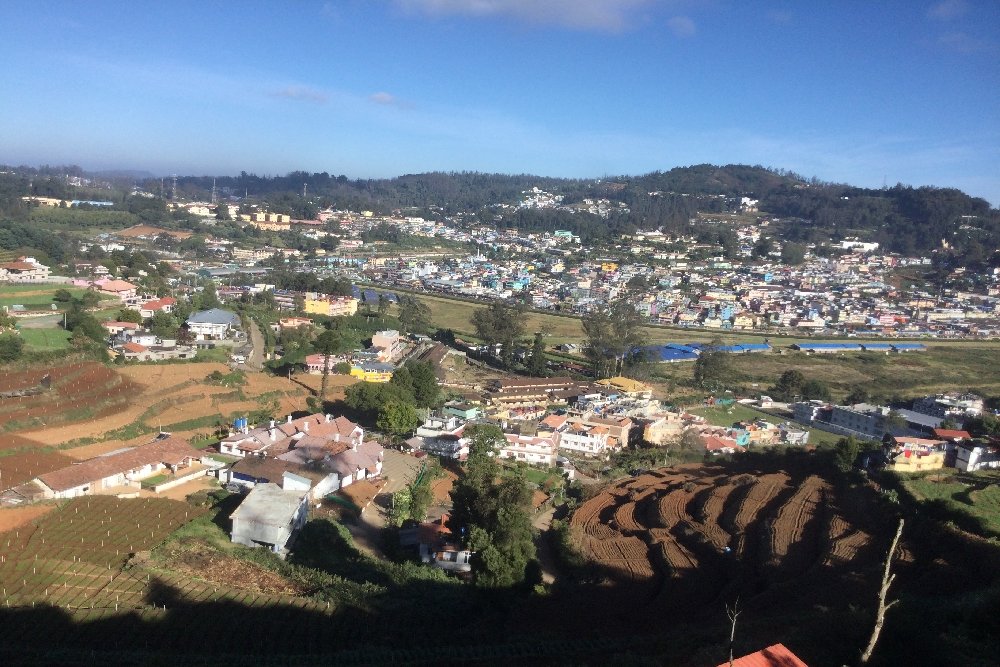
Let me take you back to the 'thullal' of Elikutty, devoted to the angel St. Rapael. Elikutty worked as our maid for three years in 1958. A widow, around 35, sturdy in body but quiet by nature, she opened up only to recount visions of Mary, mother of Jesus. As a curious, religious boy, I would walk three miles to watch the 'thullal' at the renowned Ollur church festival. Besides the devotion, there was some real entertainment in watching women jump and chant atop the altar.

To an outsider, it might look like possession or divine intervention. Scientifically, it’s what we call a religious trance—a dissociative state induced by music, collective emotion, prayers, and drumming. Pentecostal pastors achieve similar states with passionate chanting or exuberant “whoops.” In trance, awareness diminishes, fatigue becomes less noticeable, behavior becomes automatic, and memory gets sketchy. Recently, however, one of its pastors is facing charges of gross negligence manslaughter after an incident during a baptism in a paddling pool. The individual involved, apparently hoping for a second round of heavenly ecstasy and joy, may have experienced something a little less divine.
Memory
lapses happen because the hippocampus—the brain’s memory
archivist—doesn’t encode the event, and the prefrontal cortex
doesn’t process it without 'self'.. Interestingly, it’s a lot like infantile
amnesia. Children under 3.5–5 years rarely remember early
experiences, not because nothing happened, but because their
hippocampus and prefrontal cortex aren’t fully developed.
Similarly, people in trance temporarily lack a stable sense of self,
which is essential for memory, emotion, and control. Without a
coherent self, experiences cannot solidify into lasting memories.
Let’s get a little geeky on the science of social awareness, memory, and trance:
Neuroanatomy of Social Awareness and Context
Prefrontal Cortex (PFC): The “CEO of the brain,” evaluating social cues, regulating emotion, and asking, “Is this safe?”
Amygdala: Processes fear, anger, and social signals; triggers unconscious responses when danger or devotion appears.
Temporoparietal Junction (TPJ) & posterior Superior Temporal Sulcus (pSTS): Help you understand others’ perspectives. In trance, cortisol levels inhibit their function, blurring social context.
Hippocampus: Maps social and spatial relationships, keeping tabs on kinship, hierarchy, and familiarity.
Insular Cortex (IC): Handles empathy and emotional awareness.
Hormones and Neurochemicals
Oxytocin: The “bonding hormone,” heightens social awareness and reinforces connection.
Vasopressin: Supports pair-bonding and social recognition.
Cortisol: The stress hormone; can dampen social engagement.
Serotonin: Modulates attention and reward in social contexts.
Dopamine: Reinforces social interaction, making group rituals feel rewarding.
In short, our thoughts, actions, and memories are carefully orchestrated by brain centers and neurochemicals. In trance like states, one loses 'self', it merely invites the emotional and sensory systems to lead, while the analytical mind takes a respectful nap.


.jpg )


Comment Form